
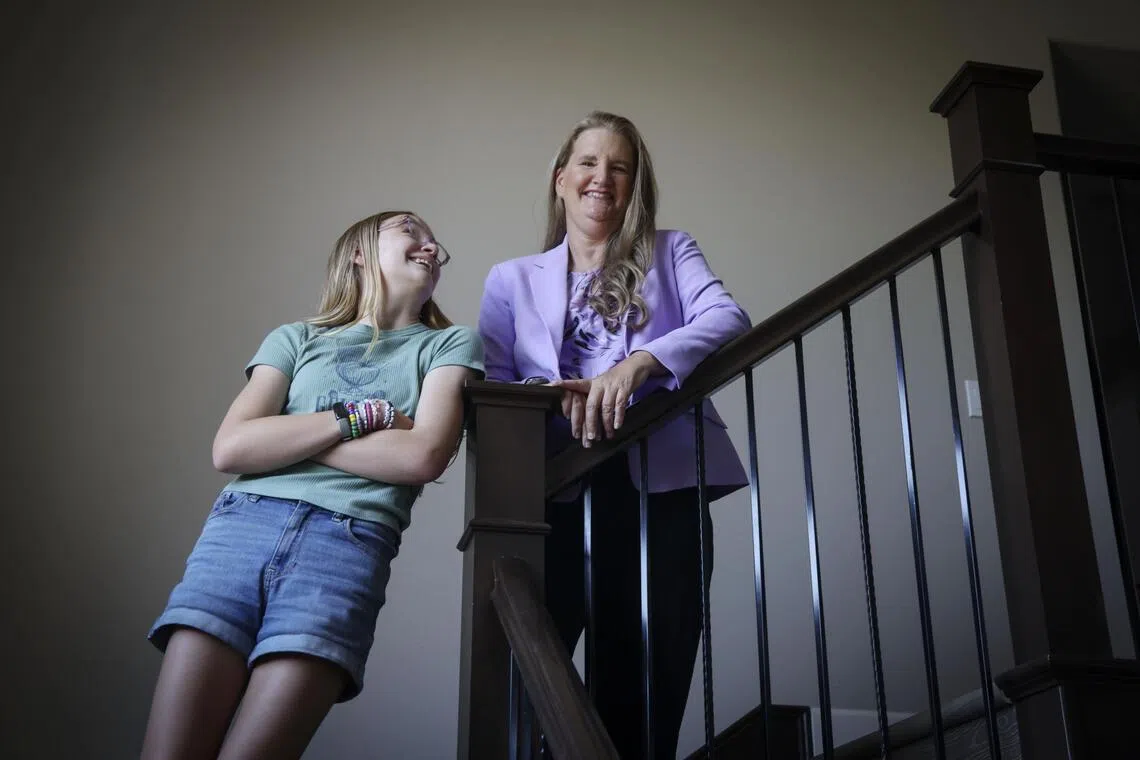
For years, psychologist Jean Twenge has been the face of a cultural debate: the impact of smartphones and technology on the developing minds of children. Her research, often highlighting potential negative consequences, has sparked countless parental anxieties and fueled a digital arms race in many households. Now, with her new book, "10 Rules For Raising Kids In A High-Tech World," she seems to be suggesting a shift in strategy – a move from outright conflict to a more nuanced understanding.
Twenge's previous work, while impactful, often felt alarmist, leading to a polarized landscape where parents either embraced extreme restrictions or dismissed concerns entirely. This new approach, seemingly advocating for a more balanced perspective, is a welcome development. Instead of focusing solely on the perils, she's likely presenting a pragmatic framework for navigating the complex reality of raising kids in a hyper-connected world. This shift could be incredibly beneficial in promoting a more productive and less judgmental conversation around technology use.
The challenge lies in translating this nuanced approach into practical, actionable advice. The simplistic allure of a '10 rules' guide might inadvertently oversimplify a highly individualistic issue. What works for one family might be disastrous for another. The success of this book, therefore, hinges not just on its content, but on its capacity to foster critical thinking among parents, empowering them to adapt her suggestions to their unique circumstances and family dynamics.
My own perspective is that the debate surrounding screen time has become overly simplistic. It's not simply about the *amount* of time spent online, but the *quality* of that time, the type of content consumed, and the overall balance with offline activities. Twenge's potential shift towards this more holistic approach is crucial. Instead of dictating specific time limits, a focus on mindful technology use, healthy boundaries, and open communication would be significantly more effective.
Ultimately, Jean Twenge's apparent move towards a more conciliatory stance on the screen-time debate is a positive development. If her new book truly facilitates a more constructive dialogue, focusing on empowering parents rather than instilling fear, it could mark a turning point in the ongoing struggle to raise well-adjusted children in an increasingly digital age. Only time will tell if this truce will lead to lasting peace, but the effort towards a more nuanced understanding is certainly a step in the right direction.