
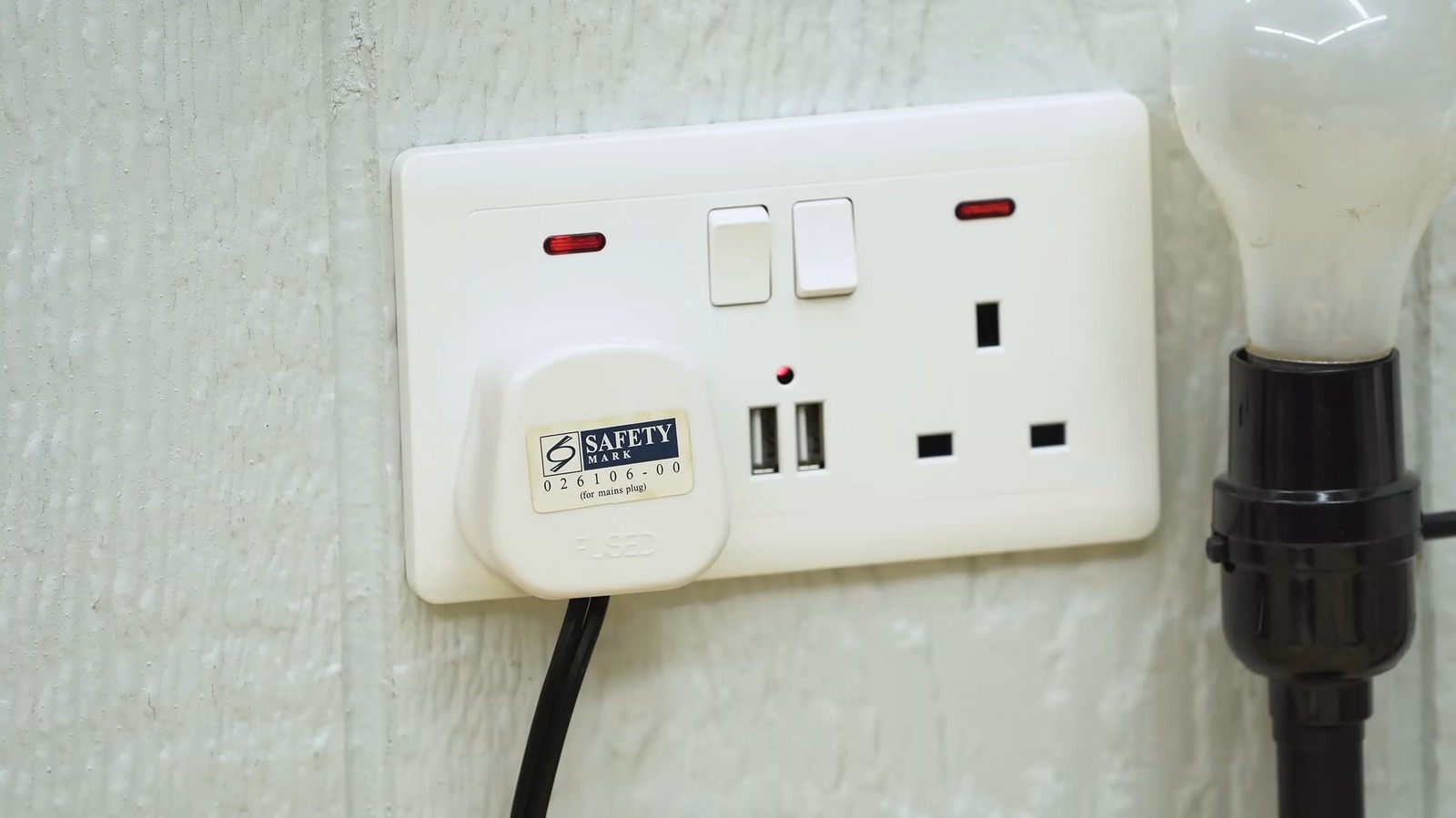
Ever plugged something in overseas and noticed a significant difference? Many countries integrate switches directly into their wall outlets, offering a simple on/off function. In the United States, however, this feature is conspicuously absent. This isn't just a quirk of design; it's a reflection of a fascinating divergence in electrical safety standards and historical building practices.
The absence of switches in American outlets is largely due to the emphasis on using individual plugs and appliances as the primary point of control. Instead of wall-mounted switches, we rely on the power cords themselves to manage power. This approach emphasizes individual device control, allowing for selective powering down of electronics without affecting other devices plugged into the same circuit. This system, while seemingly straightforward, does lack the elegant simplicity of integrated switches.
However, the ‘American way’ isn't without its drawbacks. The lack of integrated switches contributes to a higher chance of ‘phantom loads’ – appliances consuming energy even when turned off. This results in wasted energy and higher electricity bills for consumers. Furthermore, the need to unplug electronics completely adds extra effort and, in some cases, can lead to damaged power cords over time. Considering the environmental impact and convenience factors, the integrated switch system certainly has some appeal.
The differences stem from a variety of factors, including historical developments in electrical wiring and safety regulations. The evolution of our electrical systems, shaped by distinct technological and regulatory pathways, resulted in different solutions to the fundamental problem of controlling power flow. While the American approach emphasizes individual device management, other countries prioritize a simpler, more centralized control mechanism at the outlet level. This highlights how seemingly mundane design choices reflect broader cultural and technological priorities.
Ultimately, the debate over whether or not wall outlets should have integrated switches highlights a critical point in product design: there's rarely one “best” solution. The American system emphasizes individual control and minimizes electrical interference; the systems used in many other countries focus on simpler, more streamlined power management. The absence of switches in American outlets is neither inherently superior nor inferior, but rather reflects a unique pathway in the history of our electrical infrastructure, a path paved by differing safety standards and design priorities.