
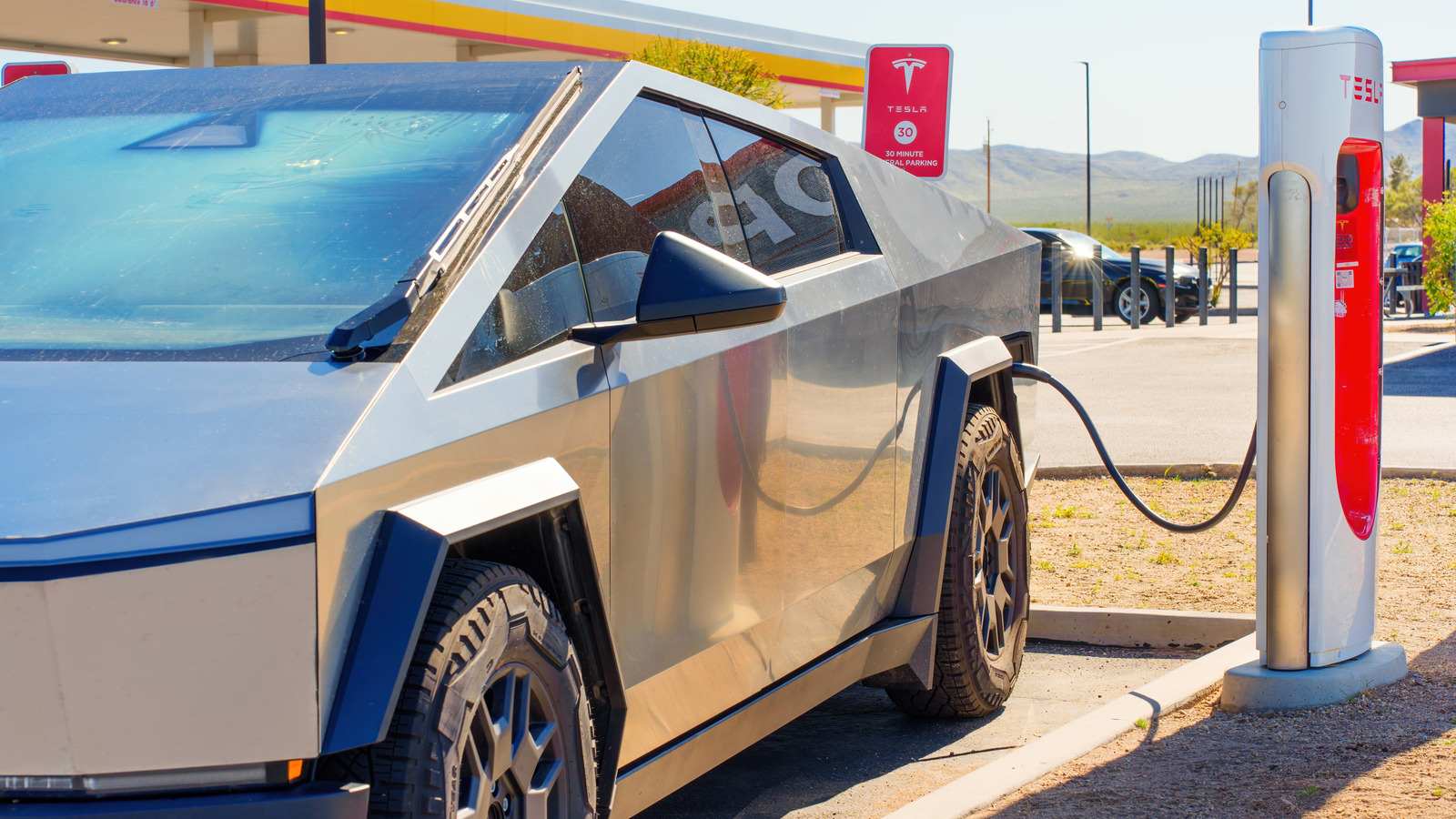
The recent anecdote of a Tesla Cybertruck owner leaving their electric vehicle plugged in for a full month has sparked a debate: is this a safe practice? While the convenience of a consistently topped-up battery is tempting, the long-term effects of extended charging on EV batteries and charging infrastructure remain a pertinent question for both seasoned EV drivers and curious newcomers.
Modern EVs boast sophisticated battery management systems (BMS) designed to prevent overcharging. These systems monitor voltage, current, and temperature, automatically cutting power once the battery reaches its maximum capacity. This built-in safeguard reduces the risk of damage from prolonged plugging, significantly mitigating the concerns raised by the Cybertruck incident. However, this doesn't entirely negate the potential for issues.
Beyond the battery itself, leaving an EV plugged in for extended periods can strain the charging infrastructure. Consistent current flow, even at a trickle charge, generates heat. While modern chargers are designed to handle this, prolonged operation at or near maximum capacity can lead to premature wear and tear, potentially shortening the lifespan of the charger itself. This is a crucial point often overlooked in the convenience of always having a full charge.
Furthermore, the environmental impact shouldn't be dismissed. While the energy draw during a trickle charge is minimal, leaving an EV plugged in unnecessarily contributes to a small, yet cumulative, increase in energy consumption. In a world increasingly focused on sustainable energy practices, mindful charging habits become an important element of responsible EV ownership. The small energy waste might be negligible for one individual, but multiplied across millions of EVs, the impact becomes increasingly noticeable.
Ultimately, while the Cybertruck owner likely experienced no harm, leaving an EV plugged in for an extended period isn't a best practice. Modern BMS systems provide safety, but it's prudent to unplug once the battery is fully charged to optimize both battery longevity and charging infrastructure lifespan. Convenience shouldn't compromise the long-term health of the vehicle or the environmental considerations of responsible EV usage. It's a balance between convenience and mindful ownership.